Collaborative Urbanism
Collaborative Urbanism: A New Framework for City Making
Aims:
1.To develop a way for city-scale capital projects to be explicitly people-focused.
2.Design a more inclusive and user-centred approach to city development and widen participation.
3.Deliver two concurrent programmes: (i) practice-based and (ii) policy-focused.
Objectives:
1.Develop a pioneering approach, directly involving people in shaping strategic programmes from the outset.
2.Apply methods that enable participation from shaping a brief through to neighbourhood adoption.
The collaborative Urbanism work grows in part out of the programme from 2004-2018 lead by Dan Dubowitz across 8 cities in the UK to pioneer a new modes of practice for city making which has become known as cultural masterplanning.
Gorbals, Glasgow
Sunniside, Sunderland
Scotswood Housing Expo, Newcastle
Ancoats, Manchester
Stoke On Trent
Nine Elms, London
Oldham Historic Town Centre and Oldham College
The Avenues, Glasgow
One of the challenges of transformation on a large scale is that it is planned centrally. Typically, the first act of any development is to lock people out, sometimes for decades. When the hoardings are finally lowered, the place is all too often devoid of life. It is early during a development rather than at completion that a programme needs to establish a cultural life and begin to shape its new identity.
Radical incrementalism
This programme of work has challenged the way things are normally done. Whilst connected to and part of the area plan it immediately spins out to embrace the complexity of the town or city. I devise cultural interventions from the bottom up whilst the bigger picture emerges. Projects can be as simple as: combining social media with unearthing photo archives; a series of walks; collecting oral histories. When these cultural activities sing from the same songsheet as the area’s masterplan, they act incrementally. In this way the emerging masterplan can evolve and enable the engagement it needs to reach a critical mass of cultural life and a new identity is established in tandem with the development.
This is all part of a choreography of civic projects that engage people. Through their direct experience, people begin to anticipate a new city quarter. These early interventions then become the basis for permanent projects to be embedded in the area as the development unfolds. Collectively they establish the development as a place of inspiration and intrigue.
Without this, places can fail. Continuity of culture is the catalyst for positive urban change.
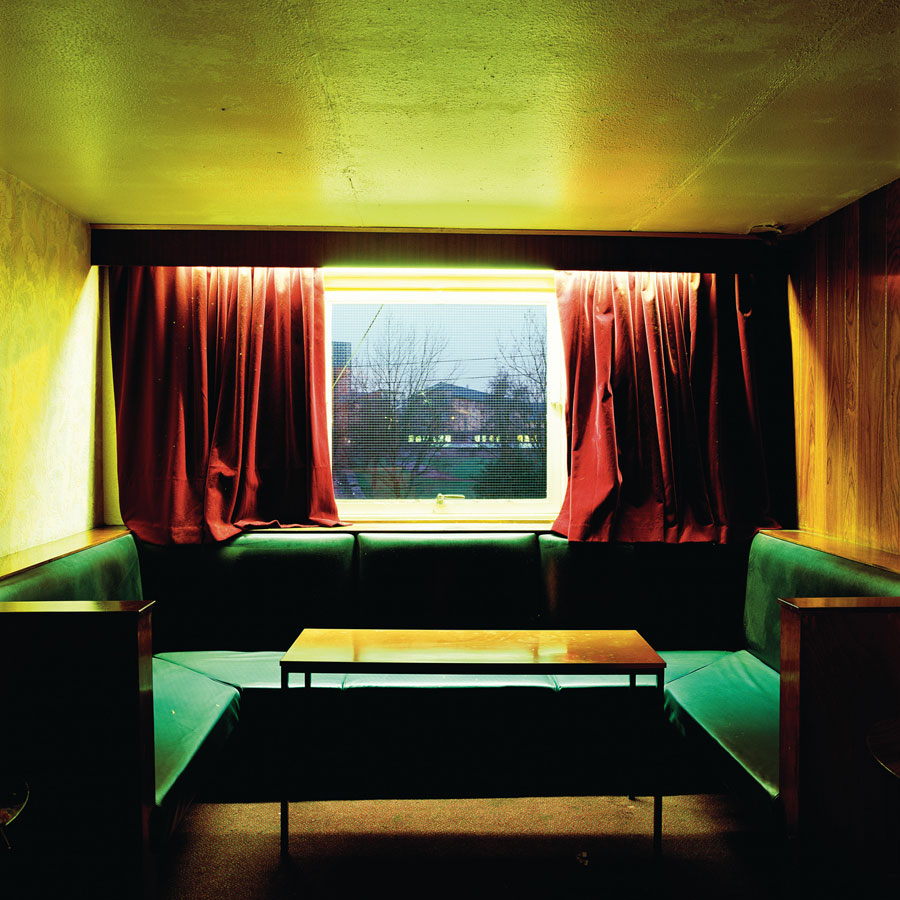
Queen Elizabeth Square, Gorbals, Glasgow
1999/2002
The precusor to Cultural Masterplanning, this project, in collaboration with sculptor Matt Baker, developed an artworks masterplan for the area’s phased redevelopment, and lead to 30 commissions for art to be integrated into the area as it was developed.
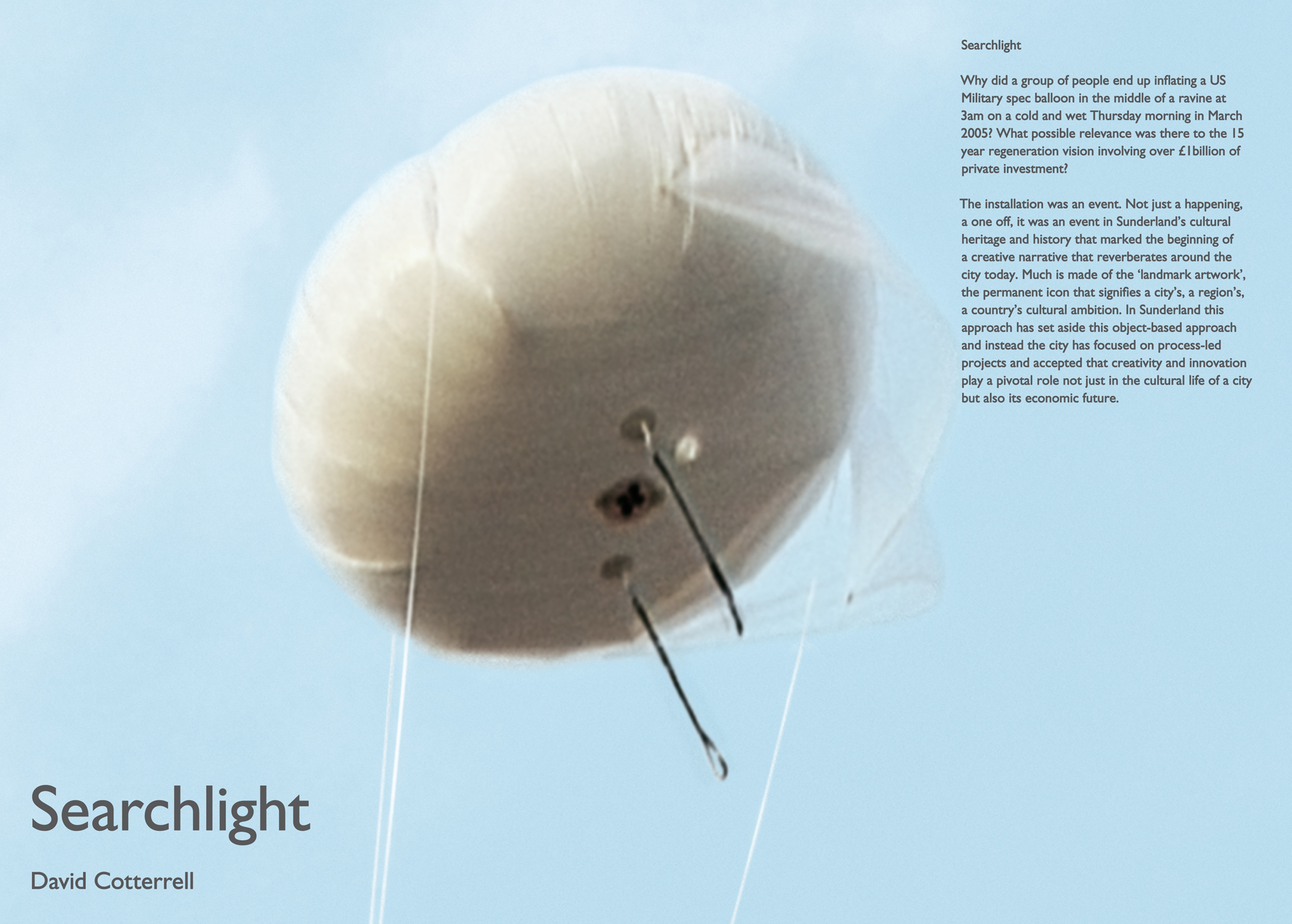
Sunderland
2003/08
Cultural Masterplanner for the regeneration of Sunderland. This was the first project in Europe to commission a cultural masterplan. It was developed in tandem with the Piers Gough masterplan and Kelvin Campbell urban design framework. Initially developed for the whole city it was piloted in the Sunniside area. Client: Sunderland City Council, Sunniside partnership
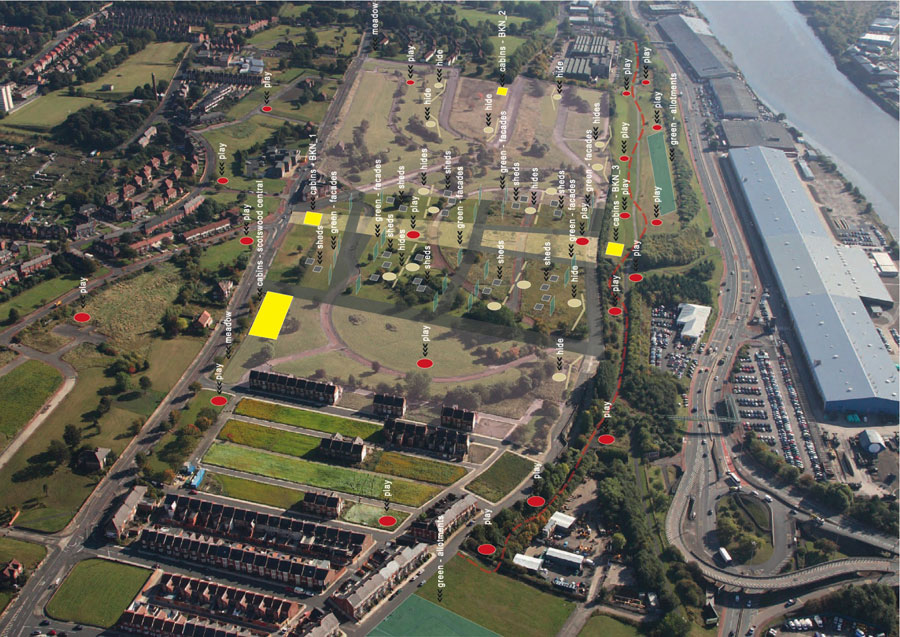
Scotswood Housing Expo, Newcastle
2006/2008
Cultural Masterplanner for the regeneration of Scotswood, Newcastle. A joint venture lead by Newcastle City Council to establish area regeneration with a housing expo. The cultural masterplan was initially an independent document, ‘Newtopia’, proposing prinicipals and projects. Collaborating with Kelvin Campbell, Urban Initiatives, Newtopia was then embedded into the area framework document and supplementary planning guidance so that the masterplans were merged into one plan. Client: Newcastle City Council.
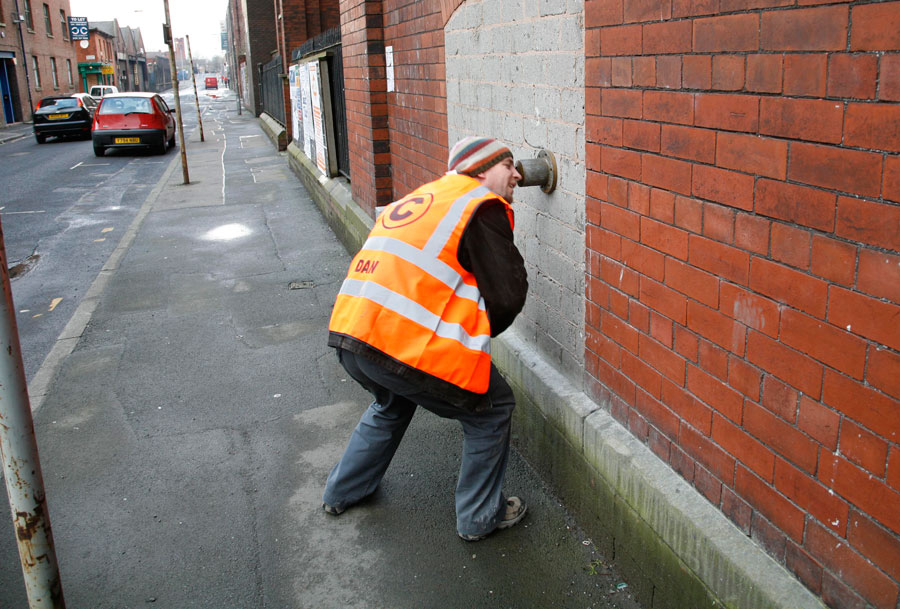
Ancoats, Manchester
2003/13
Cultural masterplan for Ancoats, Manchester. In tandem with the development the programme started out with interconnected exploratory projects that engaged with the place and community. This included the photographic series ‘The Presence of Absence’, and ‘Ancoats Stories’. Installed at Piccadilly Station 2003/4, these formed the basis for two longterm collaborative public realm programmes for the area: ‘The Peeps’, a city-scale artwork, comprising a series of peepholes to stumble across in walled up spaces throughout the area and the ‘Cutting Room’, a public square oriented around 5 monolithic images immured in glass. This project was featured in several national/international urban design and landscape awards. Client: Manchester City Council.
Stoke On Trent
2008/9
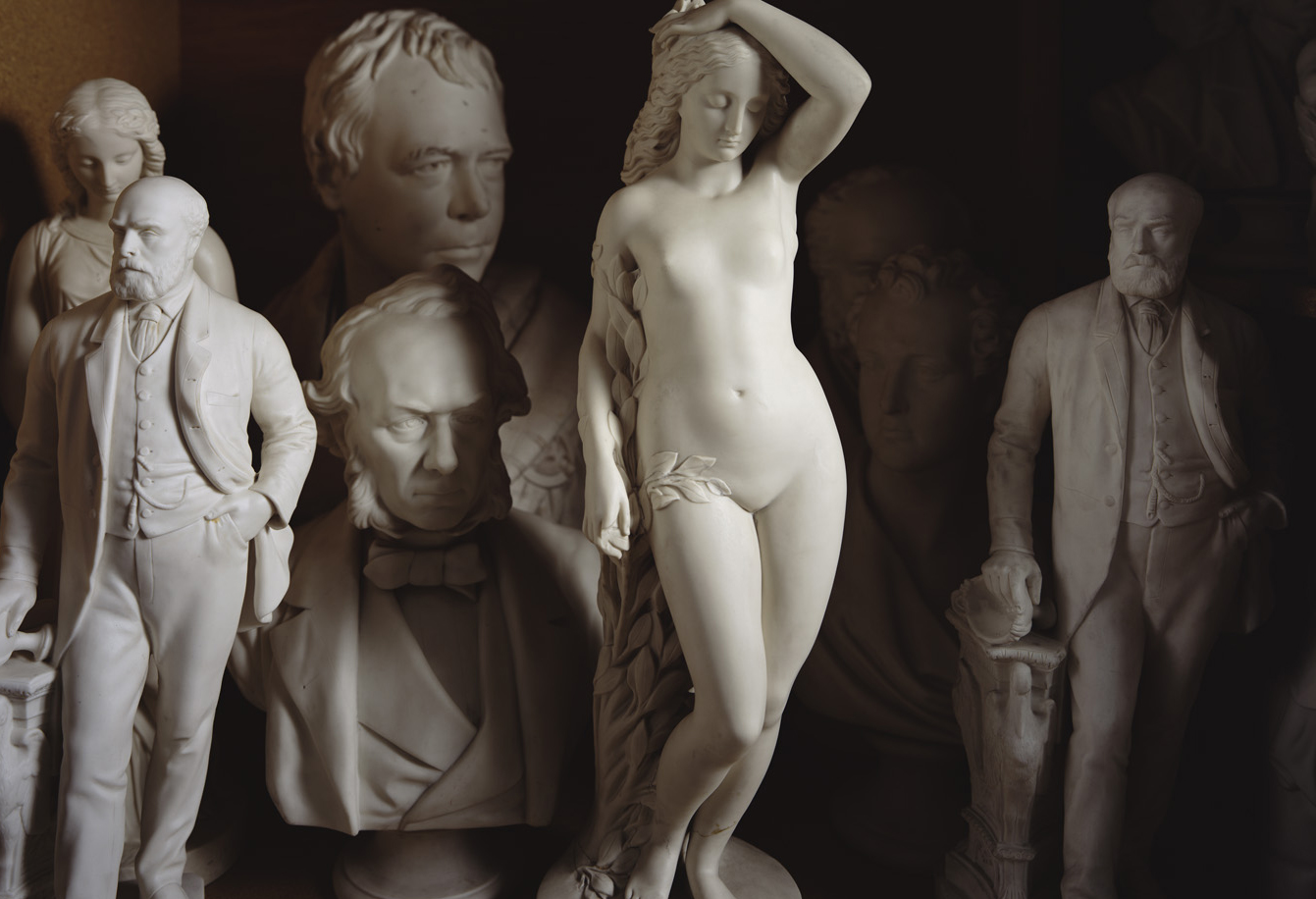
Cultural Masterplan for the 5 towns of Stoke on Trent. A series of interconnected projects developing a bottom up approach to cultural transformation in tandem with the developing masterplan. Stage one projects include ‘Breaking the Mould’ a photographic series exploring the city’s derelict buildings and potteries on the eve of a major regeneration in tandem with the first British Ceramics Biennial. Client: Stoke City Council.
Nine Elms, London
2012/13
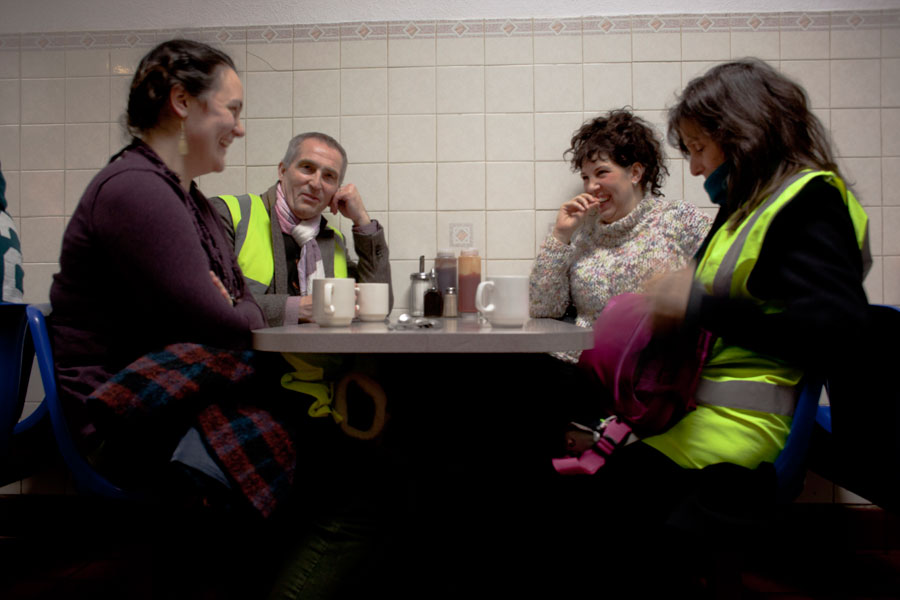
Cultural masterplan for Nine Elms, on London’s South Bank from Vauxhall to Battersea Power Station. This included a series of salons that provoked debate, engagement and interest in the development. The stage one plan developed a series of proposals for choreographed, area-wide projects, phased in tandem with the infrastructure and individual developments that would tie in with a Nine Elms masterplan. Client: London boroughs of Lambeth and Wandsworth and VNEB.
Oldham Historic Town Centre and Oldham College
2013/14
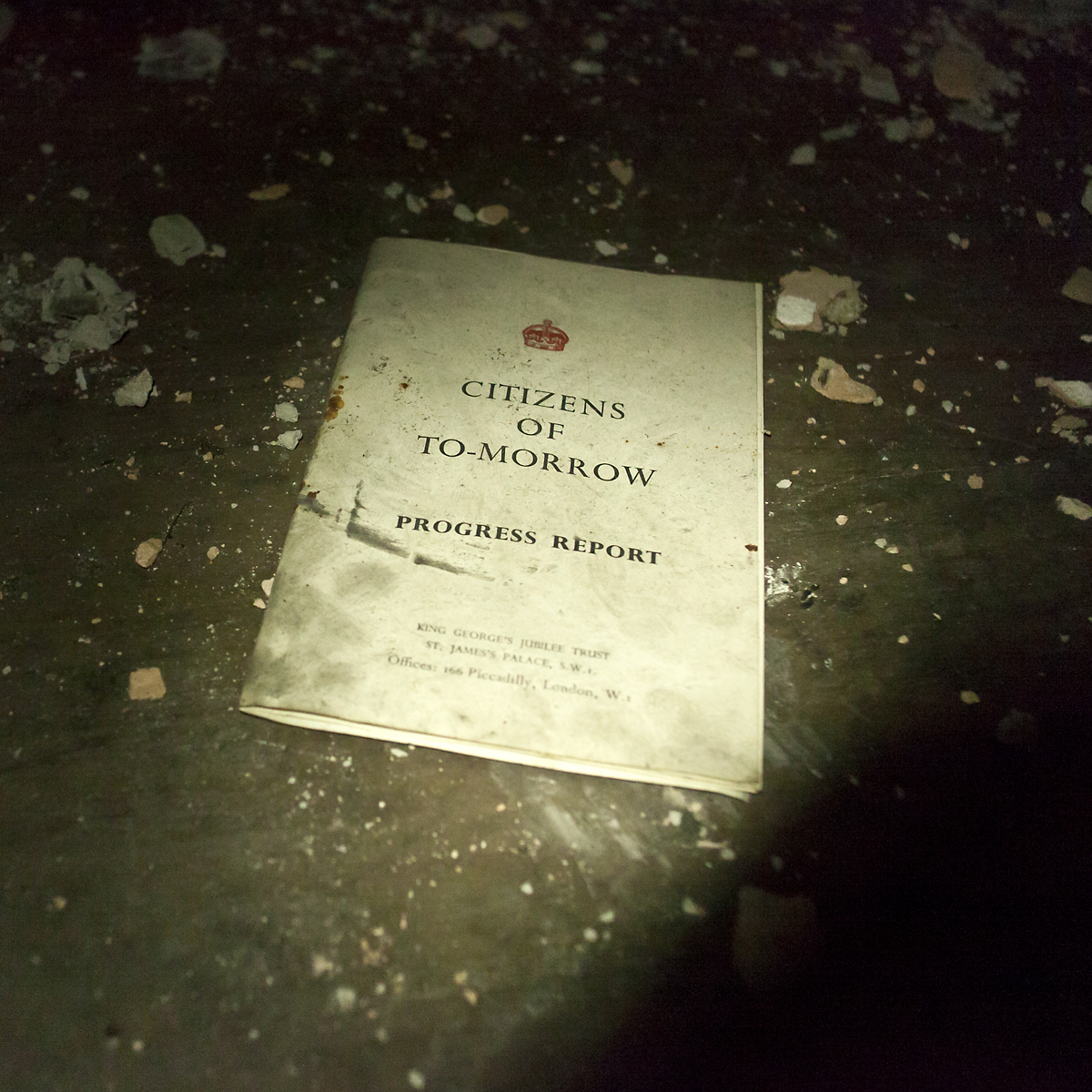
‘The Institute of Public Information’. A cross platform social media project provoking a citywide debate about what makes Oldham Oldham. In tandem with the development of Oldham college campus. Client: Oldham College.
Cultural masterplan for Oldham historic centre, including pilot projects for the Old Town Hall and conservation area. Client: Oldham Metropolitan Borough Council.